
PASADENA, CA, United States, May 11th, 2026, FinanceWire
Mechatronics systems integration engineer Qiaozhi Wang has been recognized for technical contributions in electromechanical system architecture design and cross-domain integration, supporting the advancement of automation and intelligent systems across robotics and concept vehicle development. Professional work has focused on enabling complex systems to move from early-stage technical concepts into stable, real-world functional applications.
As automation technologies continue to expand across industrial, commercial, and mobility sectors, systems integration has become a critical engineering capability. Modern electromechanical platforms require coordinated performance across power distribution, actuator control, communication networks, embedded computing, and sensor feedback. Effective integration demands not only component-level understanding, but also the ability to design scalable architectures that support system reliability under uncertain operational conditions.
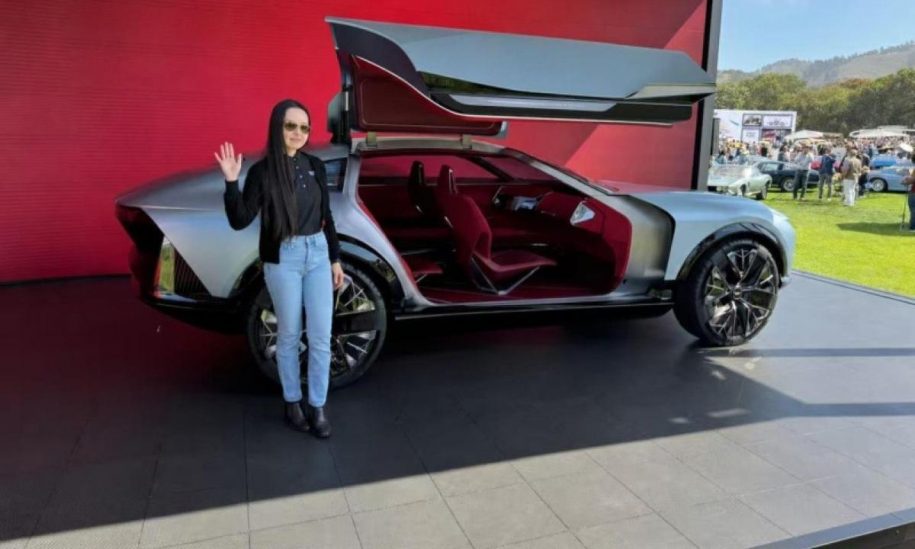
During professional work with General Motors’ Advanced Design Pasadena studio, Qiaozhi Wang contributed to the development of the Cadillac Elevated Velocity concept vehicle project. Within the program, responsibilities included system architecture design for vehicle power, control, and communication structures, as well as integration of multiple subsystems required for coordinated vehicle functionality. The concept development environment required engineering solutions to be established while design requirements remained fluid, increasing the complexity of integration planning and technical decision-making.
The Cadillac Elevated Velocity concept vehicle program required integration across electromechanical actuation modules, sensor systems, and software-driven control functions. Systems-level architecture design served as the foundation for enabling stable coordination among subsystems. The development process demanded adaptive design approaches that supported iterative adjustments while maintaining compatibility across system interfaces.
Engineering contributions included the construction of a technical framework capable of supporting scalability and long-term reliability. Such architecture work ensured that subsystem expansion and design modifications could be executed without compromising overall system stability. This approach reflects a growing emphasis in advanced engineering projects on modular integration strategies and robust communication structures that support evolving requirements.
In addition to systems architecture responsibilities, Qiaozhi Wang independently developed a mobile application designed to support coordinated control of vehicle interior and exterior functions. The application enabled direct interaction between software interfaces and electromechanical subsystems, supporting unified control logic across multiple functional modules. The development demonstrated the integration of software design with physical system requirements, reflecting the increasing convergence of embedded control engineering and user-interface-driven system interaction.
The Cadillac Elevated Velocity concept vehicle project received the Best Concept Vehicle award at the 2026 EyesOn Design Awards. The award is selected by industry experts and is recognized as a competitive distinction within concept vehicle development. The recognition reflects the combined performance of design execution and engineering integration, highlighting the importance of systems architecture in delivering functional concept prototypes.
Prior to work with General Motors, Qiaozhi Wang contributed to robotic systems development at OffWorld, participating in the design and integration of mining robotic systems. The work involved multi-robot system architecture and deployment planning for operations in complex and unstructured environments. Mining robotics development requires high levels of mechanical durability, adaptive control performance, and stable coordination between multiple autonomous or semi-autonomous platforms.
The OffWorld robotics experience strengthened engineering focus on real-world adaptability and system resilience. Robotic systems operating in unpredictable environments must maintain stable performance despite variable terrain conditions, communication limitations, and physical disturbances. System integration in such contexts requires careful design of redundancy strategies, sensor fusion frameworks, and reliable power and control architectures.
Cross-domain experience spanning robotics and advanced mobility platforms has contributed to a systems-level engineering approach centered on long-term stability. Both robotic mining systems and concept vehicle platforms share the requirement of coordinated electromechanical performance under operational uncertainty. This alignment supports a unified integration methodology that emphasizes robust system structure, interface consistency, and performance verification across multiple subsystems.
Beyond project-level integration responsibilities, engineering contributions have also included process improvement initiatives, development of internal tools supporting design efficiency, and promotion of structured engineering methodologies through technical knowledge sharing. Process optimization work has supported improved collaboration across technical teams and enhanced integration workflows during system development cycles.
Systems integration engineering continues to gain importance as industries pursue advanced automation, robotics, and intelligent mobility solutions. Modern engineering programs increasingly require multidisciplinary coordination across mechanical design, electrical engineering, embedded software development, sensor integration, and system validation. Stable integration across these domains is often the determining factor in whether a technical concept can be deployed into real-world operating conditions.
Engineering work centered on architecture design and cross-domain integration demonstrates the role of structured system frameworks in enabling reliable performance. As complex electromechanical platforms continue to evolve, scalable architecture strategies, adaptive subsystem integration, and verification-driven engineering processes are expected to remain key drivers of successful deployment.
Qiaozhi Wang’s professional record reflects continued involvement in system-level engineering development, emphasizing technical integration practices that support functional delivery and real-world operational readiness. Work across robotics and advanced vehicle programs demonstrates the growing relevance of multidisciplinary engineering approaches in achieving stability, scalability, and long-term performance for modern automation systems.
About Qiaozhi Wang
Qiaozhi Wang is a mechatronics systems integration engineer specializing in electromechanical system architecture design and cross-domain integration across robotics and advanced vehicle engineering.