
Ogden, UT, October 28th, 2026, FinanceWire
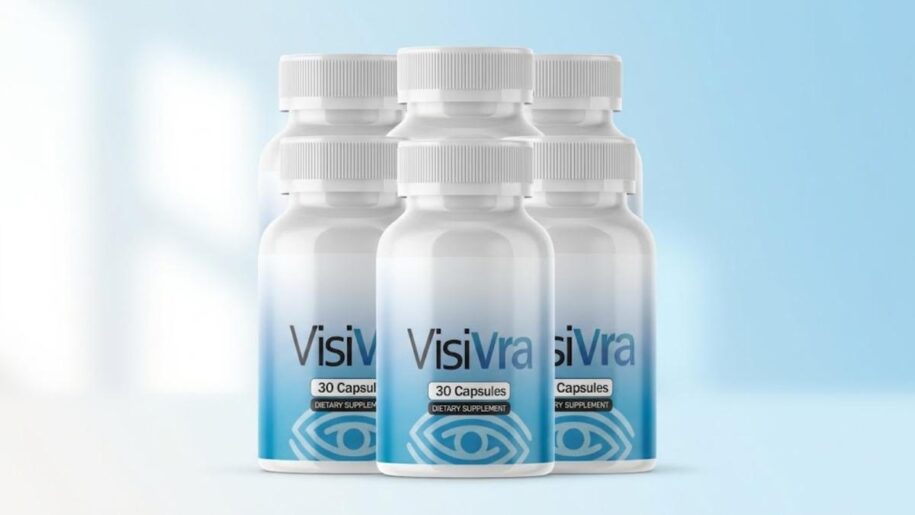
Visivra capsules pair 10 vitamins and six minerals, among them beta-carotene, vitamins C and E and zinc, with a 179.5 mg blend of 11 plant-based and nutrient ingredients, and the full label, directions and return terms are now published.
Visivra now offers a once-daily capsule that combines 10 vitamins, six minerals and an 11-ingredient proprietary blend, meant for adults seeking one simple nutritional step alongside the eye care habits they already keep. Each bottle holds 30 capsules, and the label sets out every vitamin and mineral with its own amount per serving.
Official Website: https://tryvisivra.com/
Visivra at a glance
- Form: dietary supplement in vegetable capsules, 30 capsules per bottle, one capsule per serving
- Daily use: one capsule with an 8 oz glass of water, 20 to 30 minutes before a meal
- Formula: 10 vitamins and six minerals, including vitamin A as beta-carotene, vitamins C and E and zinc, plus a 179.5 mg blend of 11 ingredients
- Other ingredients: rice flour, hypromellose, magnesium stearate and silicon dioxide; contains soy
- Origin: manufactured in the USA with globally sourced ingredients and distributed by VisiVra of Ogden, Utah
- Refund window: 60 days, counted from the purchase date
Interest in eye-focused supplements follows the way people now use their eyes: long workdays at a monitor, reading on phones and driving after dark. The National Eye Institute (NEI), part of the National Institutes of Health, observes that some vision changes are a normal part of getting older and that a long stretch at a computer can tire the eyes; it suggests looking at something about 20 feet away for 20 seconds every 20 minutes. Visivra is aimed at adults who keep habits like these and want a daily vitamin and mineral routine to go with them.
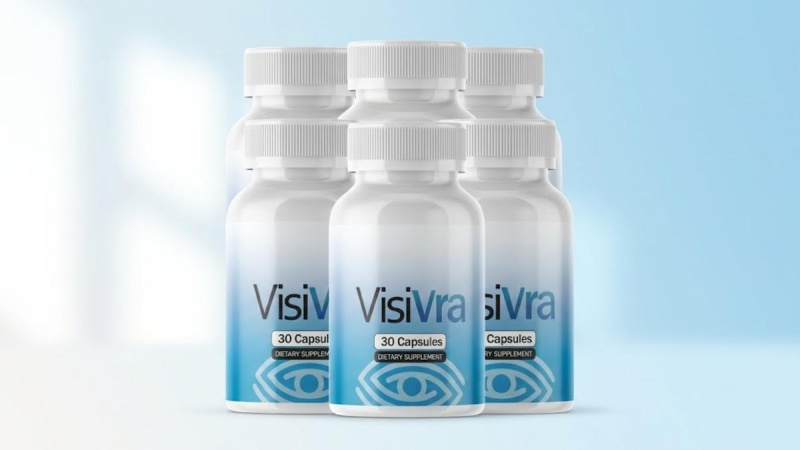
The company describes Visivra as a supplement for every day, it is meant to sit beside a varied diet, regular dilated eye exams and whatever an eye doctor recommends, and the company notes that individual results vary.
One Visivra Capsule a Day: How the Format Works
The order page presents every 30-capsule Visivra bottle as a 30-day supply, so the routine is one capsule a day. Inside, the formula has two layers. The first is a broad vitamin and mineral base: vitamin A as beta-carotene, vitamins C, D and E, six B vitamins including biotin, and the minerals calcium, iron, magnesium, zinc, manganese and potassium, each listed with its own amount. The second is a 179.5 mg proprietary blend of 11 ingredients, from horsetail and bamboo extract to spirulina and barley grass, for which the label gives the combined weight. Both layers come together in a single daily step.
Eye Wellness and Everyday Nutrition
Eyes rely on the same nutrition as the rest of the body. The NIH Office of Dietary Supplements (ODS) describes vitamin A as a nutrient that supports normal vision, and MedlinePlus, the consumer health site of the National Library of Medicine, notes that it promotes good eyesight, especially in low light. ODS describes vitamins C and E as antioxidants that help protect cells. These statements describe how the nutrients work in the body, not what any supplement does.
Needs differ from one person to the next, shaped by diet, age, screen habits, sun exposure and family history, which is why NEI puts a comprehensive dilated eye exam first among its eye health tips. Visivra is designed to fit around that routine, not stand in for it.
Visivra Ingredients: What the VisiVra Label Lists
The VisiVra Supplement Facts panel gives a serving size of one capsule and 30 servings per container. Amounts per serving, with the percent Daily Value printed on the label:
- Vitamin A (as beta-carotene): 60 mcg RAE, 6.5% DV
- Vitamin C (as ascorbic acid): 60 mg, 66.5% DV
- Vitamin D (as cholecalciferol): 10 mcg, 50% DV
- Vitamin E (as DL-alpha tocopheryl acetate): 7 mg, 46.5% DV
- Thiamin (as thiamin mononitrate): 3 mg, 250% DV
- Vitamin B6 (as pyridoxine HCl): 4 mg, 235.5% DV
- Folate: 748 mcg DFE (440 mcg folic acid), 187% DV
- Vitamin B12 (as cyanocobalamin): 6 mcg, 250% DV
- Biotin: 2,500 mcg, 8,333.5% DV
- Pantothenic acid (as D-calcium pantothenate): 15 mg, 300% DV
- Calcium (as calcium carbonate): 40 mg, 3% DV
- Iron (as ferrous fumarate): 7.25 mg, 40.5% DV
- Magnesium (as magnesium oxide): 60 mg, 14.5% DV
- Zinc (as zinc oxide): 3.62 mg, 33% DV
- Manganese (as manganese amino acid chelate): 2 mg, 87% DV
- Potassium (as potassium gluconate): 47 mg, 1% DV
- Proprietary blend: 179.5 mg (Daily Value not established) of para-aminobenzoic acid (PABA), horsetail extract (Equisetum arvense, whole plant), fo-ti (Polygonum multiflorum, root), bamboo extract (Phyllostachys nigra, leaf), stinging nettle (Urtica dioica), Chinese peony (Paeonia lactiflora, root), spirulina (Arthrospira platensis), saw palmetto (Serenoa repens), plant sterols from soybean (Glycine max), alfalfa (Medicago sativa, herb) and barley grass (Hordeum vulgare, whole herb)
Other ingredients are rice flour, hypromellose (vegetable capsule), vegetable magnesium stearate and silicon dioxide, and the label notes that it contains soy.
Vitamin A as Beta-Carotene: The Provitamin Linked to Low-Light Vision
Visivra supplies its vitamin A as beta-carotene, 60 mcg RAE per capsule according to the label. Beta-carotene is a provitamin A carotenoid, the orange pigment in carrots, sweet potatoes and leafy greens, which the body converts into vitamin A. The ODS fact sheet “Vitamin A and Carotenoids” (updated March 10, 2025) ties vitamin A to normal vision, the immune system and growth, and the MedlinePlus page “Vitamin A” notes that it promotes good eyesight, especially in low light. ODS sets no upper limit for beta-carotene, unlike preformed vitamin A, and explains that a high intake can turn the skin yellow-orange, a harmless change that fades when intake drops.
Vitamins C and E: Two Antioxidant Vitamins in Every Capsule
The label lists vitamin C as ascorbic acid at 60 mg and vitamin E as DL-alpha tocopheryl acetate, the synthetic form, at 7 mg. ODS describes both as antioxidants that help protect cells from damage by free radicals. Vitamin C also helps the body make collagen and absorb iron from plant foods, and vitamin E supports immune function and healthy blood vessels. The ODS consumer fact sheets set adult upper limits of 2,000 mg a day for vitamin C from all sources and 1,000 mg a day for vitamin E from supplements. ODS notes that vitamin E can raise bleeding risk in people who take blood thinners such as warfarin, and that both vitamins may interact with cancer treatment, so people in those situations should check with their care team first.
Zinc in Visivra: 3.62 mg as Zinc Oxide
The VisiVra label lists zinc as zinc oxide at 3.62 mg per capsule. The ODS consumer fact sheet on zinc describes its roles in immune function, in making proteins and DNA, in wound healing and in the sense of taste, and the MedlinePlus page “Zinc in diet” lists trouble seeing in the dark among the signs of too little zinc. Oysters, red meat, poultry, seafood, beans, nuts, whole grains and fortified breakfast cereals all supply it. ODS sets the adult upper limit at 40 mg a day from all sources combined, and notes that long-term excess can lower copper levels. Zinc can reduce the absorption of quinolone and tetracycline antibiotics and of penicillamine, so people taking those medicines should ask a pharmacist how to space them.
Vitamin D and the B Vitamins, Including 2,500 mcg of Biotin
Vitamin D appears as cholecalciferol (vitamin D3) at 10 mcg; ODS says it helps the body absorb calcium and supports muscles, nerves and immune function, with an adult upper limit of 100 mcg (4,000 IU) a day from all sources. Six B vitamins follow: ODS describes thiamin, biotin and pantothenic acid as helping turn food into energy, vitamin B6 as supporting more than 100 enzyme reactions, folate as needed to make DNA and vitamin B12 as keeping blood and nerve cells healthy. Biotin is listed at 2,500 mcg, and ODS notes that biotin above recommended amounts can cause false results in some lab tests, including thyroid hormone tests, so anyone scheduled for blood work should mention it. The folate line of 748 mcg DFE comes from 440 mcg of folic acid; ODS sets a 1,000 mcg daily upper limit for folic acid from supplements and fortified foods combined.
Calcium, Iron, Magnesium, Manganese and Potassium
Calcium (40 mg, as calcium carbonate) builds bones and teeth, according to ODS. Iron (7.25 mg, as ferrous fumarate) helps the body make hemoglobin, which carries oxygen in the blood; ODS notes that iron can upset the stomach, can reduce the absorption of levodopa and levothyroxine, and should be kept away from young children, in line with the label’s instruction to keep the bottle out of their reach. Magnesium (60 mg, as magnesium oxide) supports nerve and muscle function, and ODS advises spacing it from some antibiotics and osteoporosis medicines. Manganese (2 mg) supports energy production and bones, and potassium (47 mg) supports nerve and muscle signaling.
The 179.5 mg Proprietary Blend: 11 Ingredients in One Measure
The blend is listed by combined weight, so the label does not give a separate amount for each of its 11 ingredients. Several have NIH pages. Saw palmetto is a small palm native to the southeastern United States; the NCCIH page “Saw Palmetto: Usefulness and Safety” (April 2025) describes it as well tolerated in studies lasting up to three years, with mild, infrequent side effects, and notes that it may be unsafe during pregnancy and breastfeeding. LiverTox, the NIH database on supplements and the liver, rates stinging nettle an unlikely cause of liver injury and describes horsetail, a fern-like plant with a long traditional history, as generally well tolerated, with rare reports of raised liver enzymes. LiverTox describes spirulina, a blue-green alga, as a possible but rare cause of liver problems, based on isolated reports. Fo-ti, also called He Shou Wu, is a root from traditional Chinese practice; LiverTox lists it as an established cause of liver injury in some people, with cases usually appearing within six months of starting and usually resolving once it is stopped, so anyone with a liver condition should talk with a doctor before taking Visivra. For PABA, bamboo extract, Chinese peony, soybean plant sterols, alfalfa and barley grass, no current ODS or NCCIH page could be found.
These agency pages describe single ingredients on their own; none of them evaluated the finished Visivra formula.
How Visivra Is Taken
The VisiVra label gives simple directions: one capsule a day with an 8 oz glass of water, taken 20 to 30 minutes before a meal, or as a health care professional directs. The label asks users not to exceed that amount and not to use a bottle if the safety seal is damaged or missing. Bottles should be stored in a cool, dry place away from heat and light and kept out of the reach of children. At one capsule a day, a bottle lasts about a month.
What Buyers Can Check on the Visivra Label
For the vitamins and minerals, the Visivra label is fully itemized: each of the 16 lines shows its form, its amount per capsule and its percent Daily Value. That makes it easy to add Visivra to whatever else a person already takes and check the totals, as ODS recommends for anyone combining a multivitamin with fortified foods or other supplements. For the blend, the label gives the combined weight and names each ingredient with the plant part used, without individual amounts.
Who Should Talk With a Health Care Professional First
The VisiVra caution panel directs pregnant or nursing mothers, children under 18 and individuals with a known medical condition to speak with a physician before using it. The agency pages cited above add a few specific points:
- People with a liver condition, given the LiverTox notes on fo-ti.
- People taking prescription medicines, particularly blood thinners such as warfarin (vitamin E), levodopa or levothyroxine (iron), quinolone or tetracycline antibiotics (zinc and magnesium), methotrexate or antiseizure medicines (folate), metformin or acid-reducing medicines (vitamin B12), and ACE inhibitors, angiotensin receptor blockers or potassium-sparing diuretics (potassium).
- Anyone scheduled for blood work, especially thyroid tests, who should mention the biotin.
- People with a soy allergy, since the label lists soy.
- People who already take a multivitamin or other supplements, so that totals stay within the ODS upper limits.
- Anyone with an eye condition, eye symptoms or a recent change in vision, who should see an eye doctor rather than rely on a supplement.
Visivra Alongside Everyday Eye Care Habits
The National Eye Institute’s advice for keeping eyes healthy is practical, and Visivra is meant to sit inside it:
- Get a comprehensive dilated eye exam, which NEI lists first among its tips, since many eye problems show no early warning signs.
- Eat plenty of dark, leafy greens such as spinach, kale and collard greens, along with fish that are high in omega-3 fatty acids, such as salmon, tuna and halibut.
- Stay physically active, and do not smoke; NEI notes that smoking can harm the eyes as well as the lungs.
- Wear sunglasses that block 99 to 100 percent of both UVA and UVB radiation, even on cloudy days, and safety glasses or goggles for sports, construction work and home repairs.
- Learn the family’s eye health history and share it with the eye doctor.
A daily capsule is the smallest item on that list, and Visivra is positioned as one consistent nutritional step added to habits that already do most of the work.
Where Visivra Is Available
Visivra is sold through its official Visivra website, where orders go through a secure BuyGoods checkout. The order page offers packages of two, three and six bottles, presented as 60-, 90- and 180-day supplies, and shows the shipping terms for each package before checkout.
Every order comes with a money-back promise that runs for 60 days after purchase. According to the returns page, a buyer first contacts the support team for return instructions, then sends all bottles back to the fulfillment center in Ogden, Utah, empty or not, with a note giving the buyer’s name, email address and order number. After inspection, the refund goes back to the original payment method; return shipping is paid by the buyer, and a refund can take five to 10 business days to appear on a statement.
Frequently Asked Questions About Visivra and VisiVra
Is VisiVra the same product as Visivra?
Yes. VisiVra is how the name is printed on the bottle and label, and the website writes it in capital letters; all three spellings refer to the same 30-capsule supplement.
What is Visivra?
A dietary supplement in capsule form that combines 10 vitamins, six minerals and an 11-ingredient proprietary blend, positioned for adults focused on eye wellness.
What ingredients are in VisiVra?
Vitamin A as beta-carotene, vitamins C, D and E, thiamin, vitamin B6, folate, vitamin B12, biotin, pantothenic acid, calcium, iron, magnesium, zinc, manganese and potassium, plus a 179.5 mg blend of PABA, horsetail, fo-ti, bamboo extract, stinging nettle, Chinese peony, spirulina, saw palmetto, soybean plant sterols, alfalfa and barley grass.
Is Visivra an eye supplement or a multivitamin?
Both descriptions fit parts of it. The company positions Visivra for eye wellness, and the label shows a full vitamin and mineral base, including vitamin A, vitamins C and E and zinc, together with an herbal blend.
How is Visivra taken?
One capsule a day with an 8 oz glass of water, 20 to 30 minutes before a meal, or as a health care professional directs.
How long does a bottle of VisiVra last?
About 30 days. Each bottle holds 30 capsules, and the serving is one capsule.
Do all Visivra users get the same results?
No. Results differ from person to person, and the agency pages cited in this release describe single ingredients rather than the finished formula.
Does VisiVra replace medicine or eye care?
No. VisiVra is sold as a nutritional supplement, and it does not replace eye exams, prescribed treatment or a health care professional’s advice.
Can Visivra be taken with a multivitamin or other supplements?
Only after a pharmacist or doctor has looked at the combined totals, since ODS advises keeping each nutrient from all sources within its upper limit and Visivra already contains a full vitamin and mineral base.
Does VisiVra contain allergens?
The label states that it contains soy, and its blend lists plant sterols from soybean.
Where is VisiVra made?
The label states that it is manufactured in the USA with globally sourced ingredients and distributed by VisiVra of Ogden, Utah.
Where can Visivra be ordered?
Through the official Visivra order page, which uses a secure BuyGoods checkout and offers two-, three- and six-bottle packages.
Can a VisiVra order be refunded?
Yes. The money-back promise runs for 60 days after purchase, and the returns page asks buyers to contact support first and send back all bottles, opened or not.
About Visivra
Visivra is an eye wellness supplement brand. Its once-daily capsule combines a vitamin and mineral base with an 11-ingredient blend, is manufactured in the USA with globally sourced ingredients and is distributed by VisiVra of Ogden, Utah. The brand’s approach is a simple routine of one capsule a day, with a 60-day refund window on every order. VisiVra confirms that it holds the rights to all text and images distributed with this release. This release contains affiliate links, and a commission may be paid on purchases made through them.
These statements have not been evaluated by the Food and Drug Administration. This product is not intended to diagnose, treat, cure, or prevent any disease. Visivra does not take the place of advice from a health care professional. Individual results may vary.