
WSW, NY, December 4th, 2025, FinanceWire
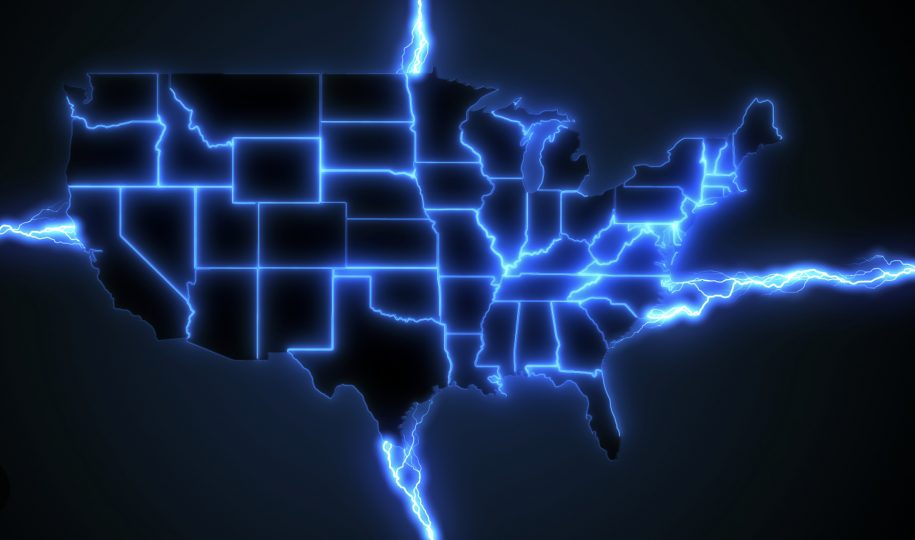
Earlier today, Duke Robotics (OTCQB: DUKR) announced that it is working to align its technology with National Defense Authorization Act (NDAA) requirements, signaling that the company is eyeing the United States market. This announcement comes at a unique moment when grid and energy resilience are garnering increased attention. Recently reports have highlighted that the US electric grid is facing a dual crisis. On the one hand, demand is skyrocketing as artificial intelligence data centers and a resurgence in domestic manufacturing drive electricity demand to record levels. At the same time, the grid’s physical infrastructure is aging and vulnerable. This tension has elevated grid resilience to a strategic national priority, underscored by the Trump administration’s April 2025 Executive Order on strengthening the U.S. electric grid.
As the White House pushes for a more secure and reliable energy network, Duke, a microcap robotics company that is deep under the radar, is taking steps to ensure its technology meets the rigorous standards required to support this mission.
The Critical Link Between Clean Power and Drone Tech
While much of the energy conversation focuses on generation, such as building more power plants or solar farms, reliability often comes down to maintenance. A major cause of grid failure is contaminated insulators. Dust, salt, and pollution build up on high-voltage lines. This leads to power leakage and outages.
Traditionally, utilities clean these lines using helicopters or crews in bucket trucks. But these methods are expensive, dangerous, and inefficient. Duke Robotics has developed a specialized solution called the Insulator Cleaning Drone, or IC Drone. This system attaches to a drone platform to clean and monitor high-voltage infrastructure. It removes the human risk and lowers the cost of maintenance.
Duke is already active in Israel and has reported progress in the Greek market. But now, it seems the company is eyeing something bigger – the US market. However, operating drones near critical US infrastructure requires more than just good engineering. It requires strict adherence to national defense standards – namely, the National Defense Authorization Act.
The “America First” Standard for Drones
Regulators and defense officials are increasingly wary of foreign-made drones that could compromise sensitive data. This is where the National Defense Authorization Act comes into play. The NDAA ensures that drone systems do not contain prohibited components from nations considered adversaries. This makes them safe for use on critical infrastructure.
In its latest press release, Duke Robotics, which is headquartered in Florida and conducts research in Israel, announced it is actively evaluating NDAA-compliant drone systems and certified U.S. operators to carry its IC Drone payload. In other words – the company is working to make sure its platform operates on drones that are “Made in the USA” – something it would only do if it was seriously considering a play in the US market. This was further highlighted by Duke’s CEO, Yossef Balucka, who stated in the announcement that NDAA-compliant, American-manufactured platforms are essential for deploying the IC Drone within critical infrastructure and defense-aligned environments in the United States. He noted that through this process, the company aims to significantly advance the operational readiness and market availability of the IC Drone.
Defense DNA Meets Civilian Utility
Investors looking at Duke Robotics often note that the company is not a typical startup. It has deep roots in military technology. Through a collaboration with top military contractor Elbit (NASDAQ: ESLT), Duke developed the “Bird of Prey”, an advanced, fully stabilized remote weapon system designed that has already been used by the Israeli Defense Forces.
This background in stabilization technology is what makes their civilian application unique. The same engineering required to stabilize a weapon on a flying drone is applied to the IC Drone. This allows it to perform precise cleaning operations on swaying power lines high above the ground.
Strategic Alignment with National Priorities
The timing of Duke Robotics’ U.S. expansion efforts appears calculated to match the current political and economic climate. The Trump administration is explicitly focusing on energy infrastructure security. Simultaneously, electricity demand is surging. Consequently, the market for automated, secure grid maintenance is expanding.
By seeking partners that meet the strict NDAA standards, Duke Robotics is working to remove the regulatory ceiling that limits many international drone companies. If successful, this U.S. readiness program could elevate the company from a niche developer into a key service provider for the American power grid.
As the U.S. races to modernize its grid to support the AI revolution, companies that can bridge the gap between advanced robotics and national security requirements may find themselves with a significant competitive advantage.
Recent News Highlights from Duke Robotics
Duke Robotics to Receive First Royalty Revenues through its Collaboration with Elbit
Important Disclaimers and Disclosures: The author, Wall Street Wire, is a content and media technology platform that connects the market with under-the-radar companies. The platform operates a network of industry-focused media channels spanning finance, biopharma, cyber, AI, and additional sectors, delivering insights on both broader market developments and emerging or overlooked companies. The content above is a form of paid promotional content and advertising. Wall Street Wire has received cash compensation from Duke Robotics Corp for promotional media services which are provided on an ongoing basis. This content is for informational purposes only and does not constitute financial or investment advice. Wall Street Wire is not a broker-dealer or investment adviser. Full compensation details, information about the operator of Wall Street Wire, and the complete set of disclaimers and disclosures applicable to this content are available at: wallstwire.ai/disclosures. Market size figures or other estimates referenced in this article are quoted from publicly available sources; we do not independently verify or endorse them, and additional figures or estimates may exist. This article should not be considered an official communication of the issuer.