
Istanbul, Turkey, May 22nd, 2026, FinanceWire
Liv Hospital announced the introduction of enhanced evaluation and recovery pathways within its Stroke Center, supporting expanded neurological assessment processes, rehabilitation planning protocols, neurovascular imaging integration, and coordinated post treatment monitoring for patients affected by cerebrovascular disorders.
Stroke is a medical condition involving interruption of blood flow to brain tissue or bleeding within cerebral structures, often resulting in neurological impairment that may affect movement, speech, cognition, balance, and sensory function. Acute stroke management frequently depends on rapid diagnosis and clinical intervention in order to reduce the extent of brain injury and support neurological stabilization. Physicians commonly evaluate symptom onset timing, imaging findings, cardiovascular status, and neurological examination results when determining appropriate treatment strategies for stroke related conditions.
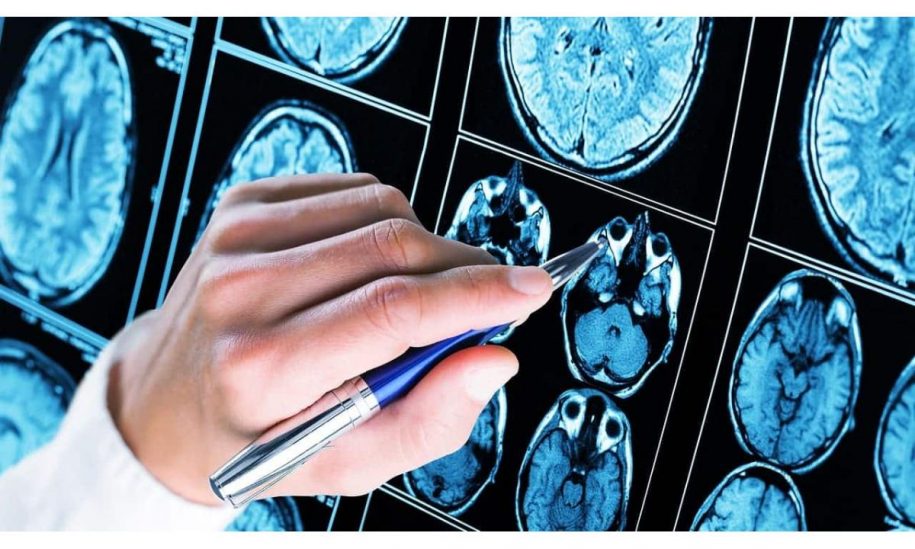
The Stroke Center at Liv Hospital incorporates advanced imaging technologies including computed tomography, magnetic resonance imaging, cerebral angiography, and vascular assessment systems designed to assist in identifying stroke subtype and evaluating cerebral circulation. Imaging interpretation is performed alongside neurological examination and laboratory review to support individualized treatment planning according to patient condition and procedural eligibility criteria. Clinical evaluation pathways may differ depending on stroke severity, vascular involvement, and underlying health conditions.
The Stroke Center at Liv Hospital integrates multidisciplinary clinical coordination involving neurology, neuroradiology, emergency medicine, rehabilitation medicine, intensive care, cardiovascular assessment teams, and specialized nursing support. This coordinated structure is intended to support continuity of care during emergency admission, inpatient monitoring, rehabilitation evaluation, and follow up management. Treatment planning may involve both acute intervention strategies and long-term neurological recovery considerations depending on individual patient presentation.
Interventional stroke management pathways may include evaluation for thrombolytic therapy and mechanical thrombectomy procedures in selected patients diagnosed with acute ischemic stroke. Eligibility for neurointerventional procedures is determined through physician assessment, vascular imaging analysis, and timing related treatment criteria. Neurovascular procedures are performed within specialized clinical environments equipped for continuous imaging guidance and neurological monitoring throughout intervention and recovery stages.
Patient centered recovery planning remains an important component of stroke care protocols. Neurological complications associated with stroke may lead to difficulties involving speech, swallowing, mobility, memory, coordination, and independent daily activities. Rehabilitation teams evaluate physical therapy requirements, occupational therapy support, speech therapy needs, and cognitive rehabilitation planning according to the functional condition of each patient. Recovery timelines and neurological outcomes may vary considerably based on the location of brain injury, treatment timing, and overall patient health status.
The Stroke Center at Liv Hospital also evaluates patients presenting with transient ischemic attacks, recurrent neurological symptoms, carotid artery disease, and selected neurovascular conditions associated with increased stroke risk. Diagnostic evaluations may involve vascular imaging studies, cardiovascular assessment, neurological monitoring, and laboratory analysis intended to support prevention planning and reduce the likelihood of future cerebrovascular complications.
Pretreatment and post treatment management pathways associated with stroke care include neurological observation, medication management, imaging reassessment, rehabilitation consultation, and monitoring for secondary complications during recovery. Patients undergoing neurointerventional procedures may require intensive neurological supervision depending on procedural complexity and clinical condition. Follow up care plans may include rehabilitation programs, cardiovascular risk management, and ongoing neurological evaluation to support recovery progression and long-term patient monitoring.
Liv Hospital stated that effective cerebrovascular treatment requires coordinated emergency response systems, advanced imaging infrastructure, multidisciplinary physician collaboration, rehabilitation planning, and ongoing neurological assessment. The institution continues to develop integrated stroke management pathways within its Stroke Center framework as part of broader efforts focused on evidence based neurological care delivery.
About Liv Hospital
Liv Hospital is a multidisciplinary healthcare institution based in Istanbul that provides inpatient and outpatient medical services across multiple clinical specialties. The hospital network supports neurological, cardiovascular, oncological, surgical, diagnostic, and rehabilitative care through integrated clinical teams and advanced medical infrastructure. Liv Hospital provides coordinated healthcare services for regional and international patient populations.
Website: https://int.livhospital.com