
London, United Kingdom, May 28th, 2026, FinanceWire
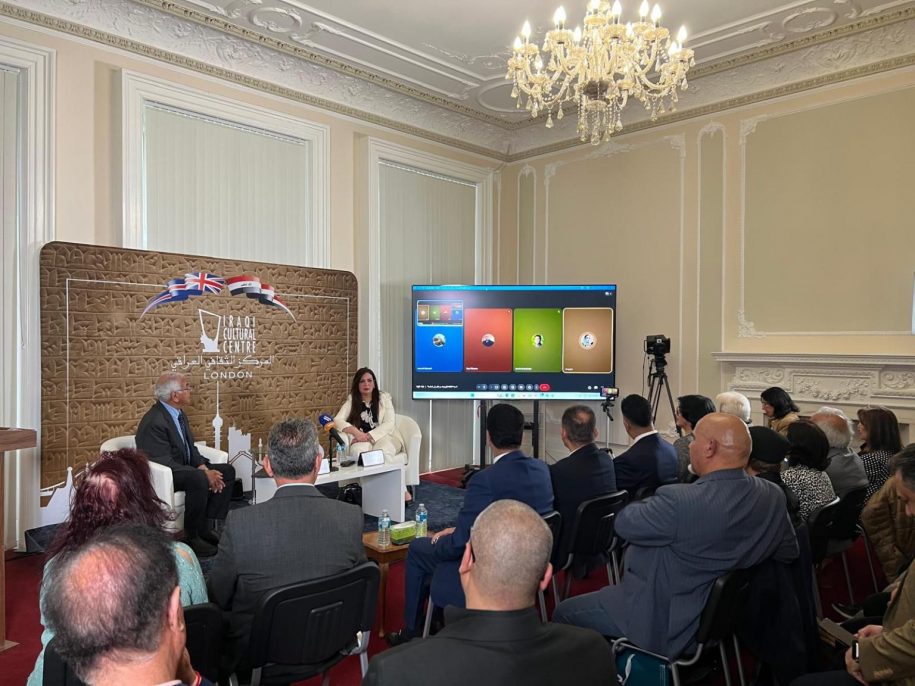
The Iraqi Cultural Centre in London, in collaboration with the Scientific Association for Yazidi Studies under the Iraqi Ministry of Higher Education and Scientific Research, hosted a distinguished symposium titled “Yazidi Culture: From Lalish to Global Recognition.” The event brought together diplomats, academics, and cultural leaders to discuss the preservation of Yazidi collective memory and the role of literature in documenting genocide.
The symposium opened with welcoming remarks by Dr. Abdulhamid Al-Sayegh, Director of the Iraqi Cultural Centre, who emphasised Yazidi memory as a fundamental pillar of Iraqi national identity. He stressed that academic engagement with this memory is urgent to protect it from distortion or oblivion.
His Excellency Ambassador Dr. Salih Al-Tamimi delivered a keynote address, underscoring the depth of the tragedy endured by the Yazidis and the Iraqi state’s commitment to safeguarding their rights and ensuring their voice reaches international forums.
Among the distinguished attendees were Professor Dr. Qusay Kamal Al-Din Al-Ahmadi, Iraqi Cultural Attaché and former President of the University of Mosul; Lord Andrew Methven, Executive Director of the AMAR Foundation; and Dr. Wissam Al-Furaiji, Head of the Expatriates Affairs Office at the Iraqi Embassy.
From Isolation to International Discourse
Dr. Yusra Khalil, President of the Scientific Association for Yazidi Research and Studies, presented the symposium’s central thesis: the transition from isolation to global recognition. She noted that 2014 marked a turning point when Yazidi activists and academics transformed pain into action, establishing the association as an academic platform for these issues from within Iraq.
“The year 2014 marked a major turning point,” Dr. Khalil stated. “Yazidism today is no longer merely a subject narrated by others, but a voice that produces knowledge and actively contributes to global discussions on transitional justice and cultural diversity.”
Dr. Saad Salloum, Professor of Political Science at Al-Mustansiriya University, addressed the issue of stereotyping within historical narratives, highlighting the emergence of new generations of Yazidi researchers producing alternative academic knowledge to break cycles of marginalisation.
Literature as a Guardian of Memory
Dr. Saif Shams from the University of Brussels asserted that Yazidi literature represents the true reservoir of collective memory, while Dr. Mouj Youssef from Iraqi University examined how Iraqi novels have embodied humanitarian violations, citing works by Ghada Sadiq Rasul and Dunya Mikhail as factual documents addressing wounds inflicted upon society.
Strategic Roadmap for Action
The symposium concluded with participants calling for the establishment of specialised university programmes in genocide studies and religious diversity, partnerships between Iraqi and international universities, and integration of the genocide file into human rights curricula. Recommendations also included supporting international representation of Yazidi academics and preserving oral heritage and the Yazidi language.
About the Scientific Association for Yazidi Research and Studies
The Scientific Association for Yazidi Research and Studies is Iraq’s first dedicated organisation for scholarly work on Yazidi culture, history, and religion. Established in February 2026 in Baghdad, it operates under the Ministry of Higher Education and Scientific Research to document and preserve Yazidi heritage through systematic research, academic partnerships, and the production of evidence-based knowledge that supports global discussions on minority studies and post-conflict recovery.
About the Iraqi Cultural Centre in London
The Iraqi Cultural Centre in London serves as a bridge between Iraqi heritage and international forums, hosting events that promote cultural understanding and academic dialogue on Iraq’s diverse communities.