New York, USA, September 14th, 2026, FinanceWire
ACGILE has announced a new analysis examining why fast-growing E-Commerce Businesses can struggle to accurately measure gross margin as they expand across marketplaces, fulfillment providers, and multiple sales channels.
 The analysis highlights how differences in returns, discounts, marketplace fees, freight, tariffs, inventory costs, and fulfillment expenses can affect reported margins and make a growing e-commerce business appear more profitable than its underlying economics may indicate.
Revenue growth alone does not show whether an e-commerce business is becoming more profitable. As brands add more channels and SKUs, maintaining an accurate view of gross margin requires increasingly detailed reconciliation and cost allocation.
ACGILE Highlights the Difference Between Revenue and Economic Performance
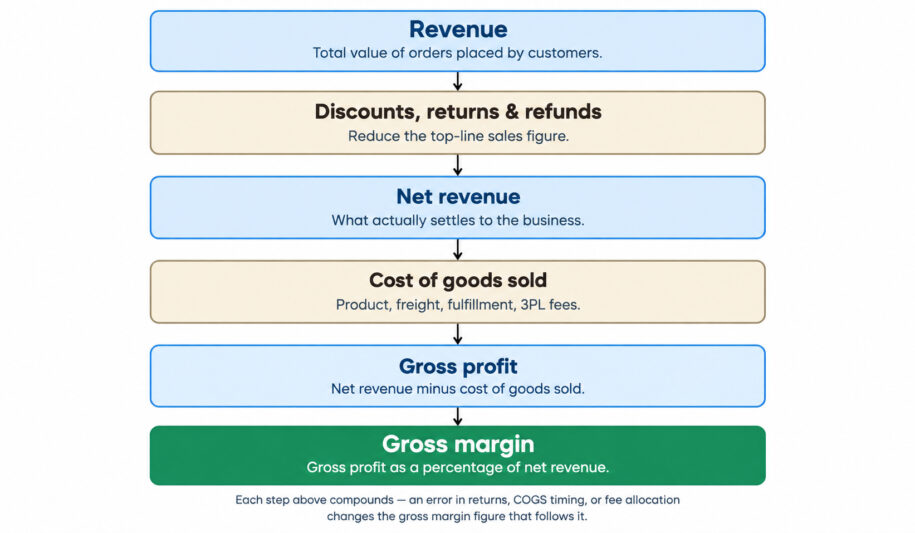
According to the analysis, gross sales and net revenue can differ significantly after discounts, refunds and marketplace deductions are accounted for. With online retailers also facing substantial product-return activity, calculating margin against the appropriate revenue figure becomes increasingly important.
The analysis notes that even a hypothetical e-commerce brand generating $1 million in gross sales could have substantially lower net revenue after returns and discounts, changing the resulting gross-margin calculation before additional costs are considered.
New Analysis Examines the Complexity of E-Commerce COGS
ACGILE’s analysis also examines the challenges associated with calculating cost of goods sold for multi-SKU businesses.
Freight, customs duties, tariffs, third-party logistics fees and inventory write-offs can enter accounting records at different times and through different systems. Without appropriate allocation, these expenses can distort the margin attributed to individual products or sales periods.
Recent corporate disclosures demonstrate how freight and tariff changes can materially affect gross margins, reinforcing the importance of accurately identifying the costs associated with products and channels.
Multi-Channel Selling Creates Additional Accounting Challenges
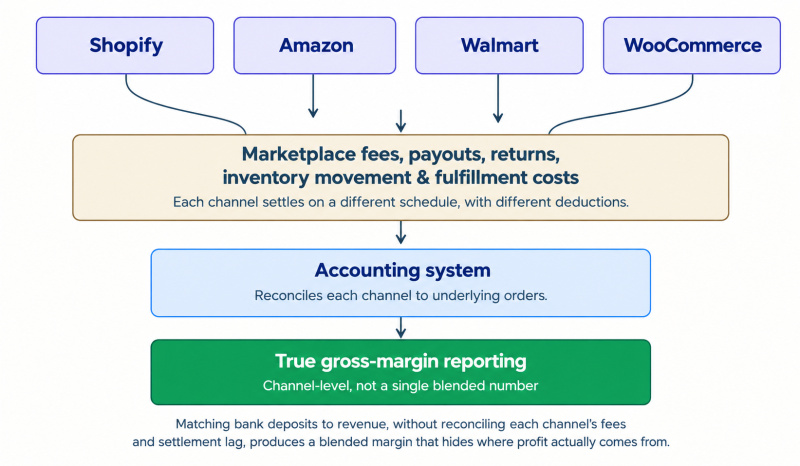
The analysis further highlights the reconciliation difficulties created when brands sell through platforms such as Shopify, Amazon and Walmart.
Each platform can have different fee structures, settlement schedules, fulfillment arrangements and deductions. Simply comparing bank deposits with recorded revenue may therefore fail to show the actual economics of each sales channel.
ACGILE recommends that growing e-commerce companies evaluate channel-level profitability rather than relying exclusively on one blended gross-margin figure.
Margin Accuracy Can Influence Business Decisions
According to the analysis, inaccurate gross-margin reporting can affect decisions involving pricing, advertising budgets, inventory purchases and SKU selection.
A sales channel that appears profitable when combined with other channels may produce substantially different results once its individual fees, returns and fulfillment costs are isolated.
For investors, lenders and management teams, channel-level profitability can therefore provide a clearer view of the company’s underlying cash-flow potential.
ACGILE Recommends Stronger Margin Reconciliation
The analysis recommends matching marketplace settlements with underlying orders, tracking inventory costs at the SKU level, recording returns and discounts in the appropriate accounting period and maintaining separate economics for individual sales channels.
As e-commerce operations become more complex, ACGILE notes that businesses may also consider professional outsourced accounting and bookkeeping support to maintain accurate financial records across multiple platforms.
About ACGILE
ACGILE provides outsourced accounting and bookkeeping services designed to support businesses with their financial reporting, bookkeeping, and accounting needs. The company helps businesses maintain organized financial information and develop accounting processes that can support growing and increasingly complex operations.
Growth alone was never the whole story. The gross margin behind it is.